
Stop fighting generic outputs
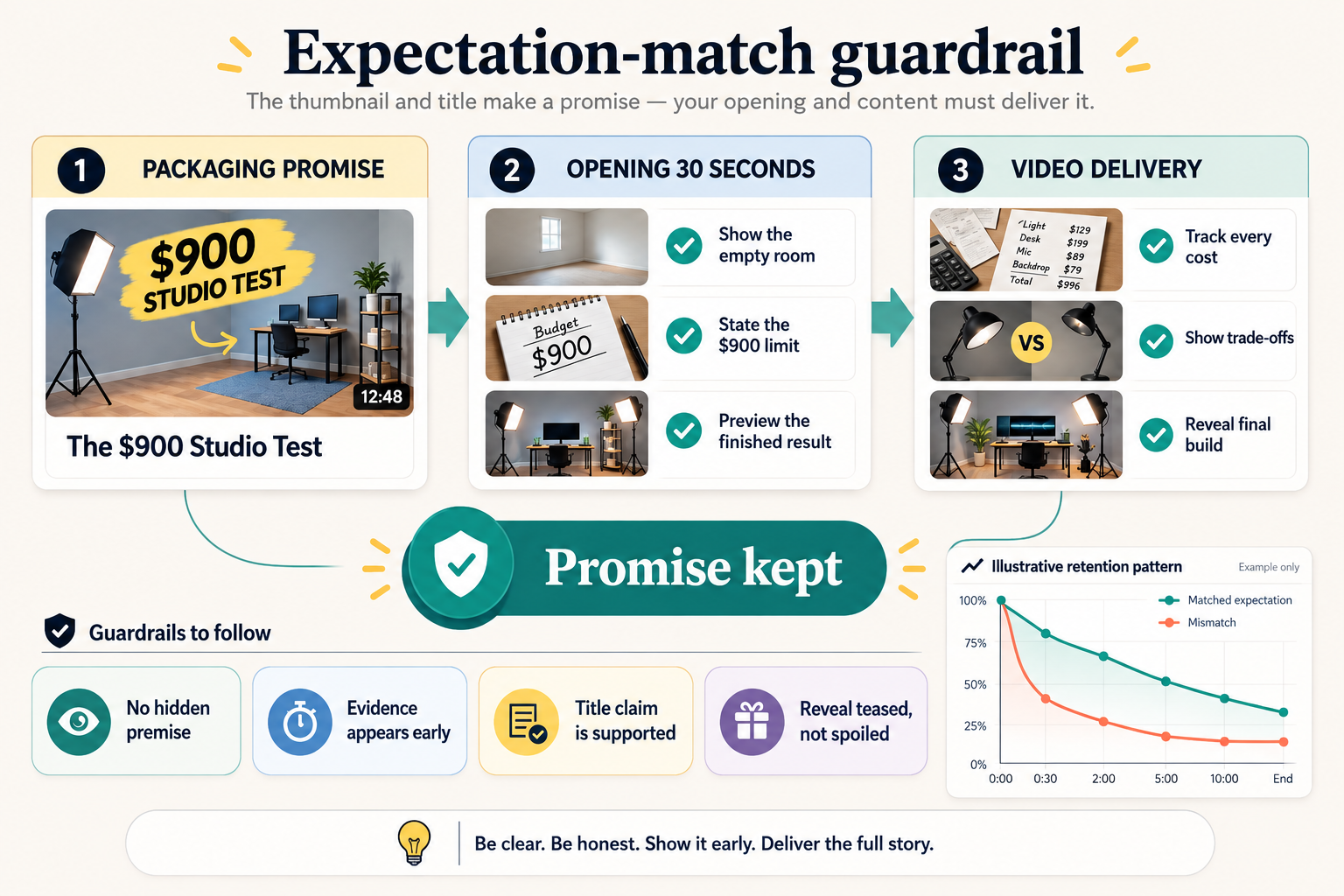
Creators spend hours making polished thumbnails that do not earn the right click, repeat the title on the image, or optimize CTR while attracting viewers who leave because the video delivers a different promise.
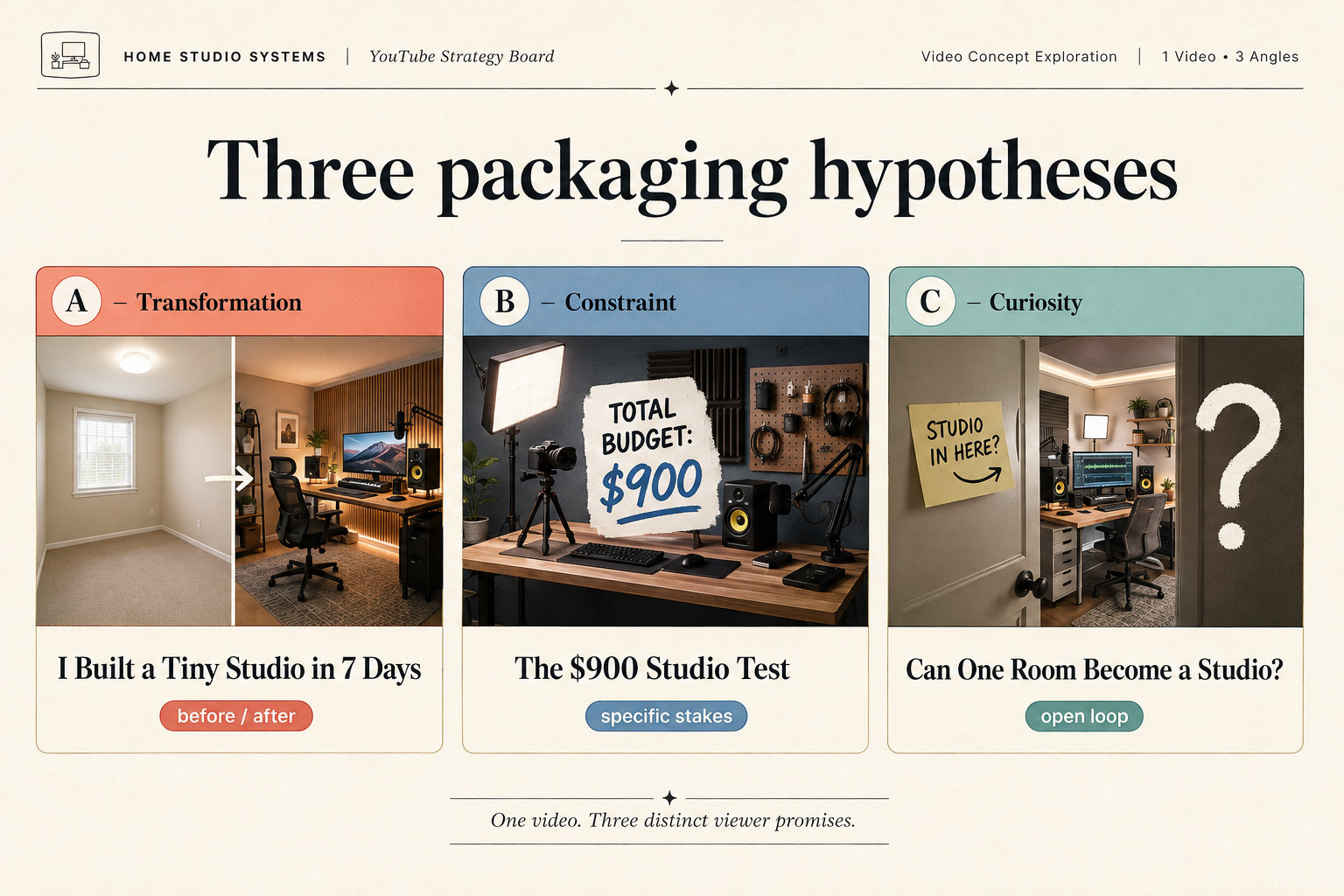
Create complementary titles and thumbnails as three testable viewer promises, then interpret YouTube tests using watch time—not CTR in isolation.
Free to install. Sign in only when you want to save or run it.
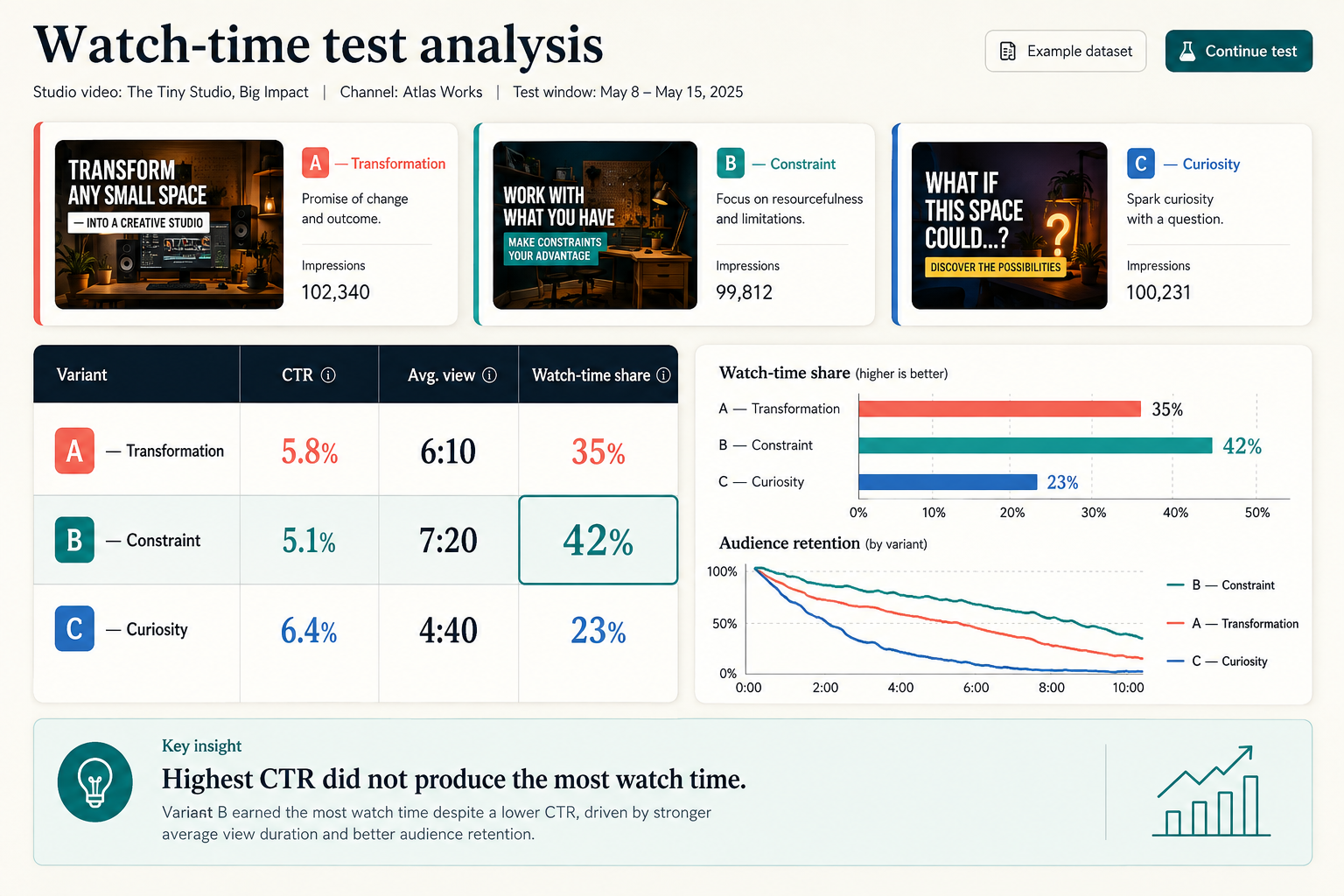
Creators spend hours making polished thumbnails that do not earn the right click, repeat the title on the image, or optimize CTR while attracting viewers who leave because the video delivers a different promise.
Turn the video's real value into three meaningfully different title-thumbnail hypotheses, protect expectation match, and learn from watch-time, traffic-source, and retention evidence.
YouTube Packaging Experiment Lab treats the topic, title, thumbnail, and opening minutes as one promise system. It studies the actual video or transcript, the intended viewer, traffic source, competitive context, and historical channel patterns before writing a title or drawing a thumbnail.
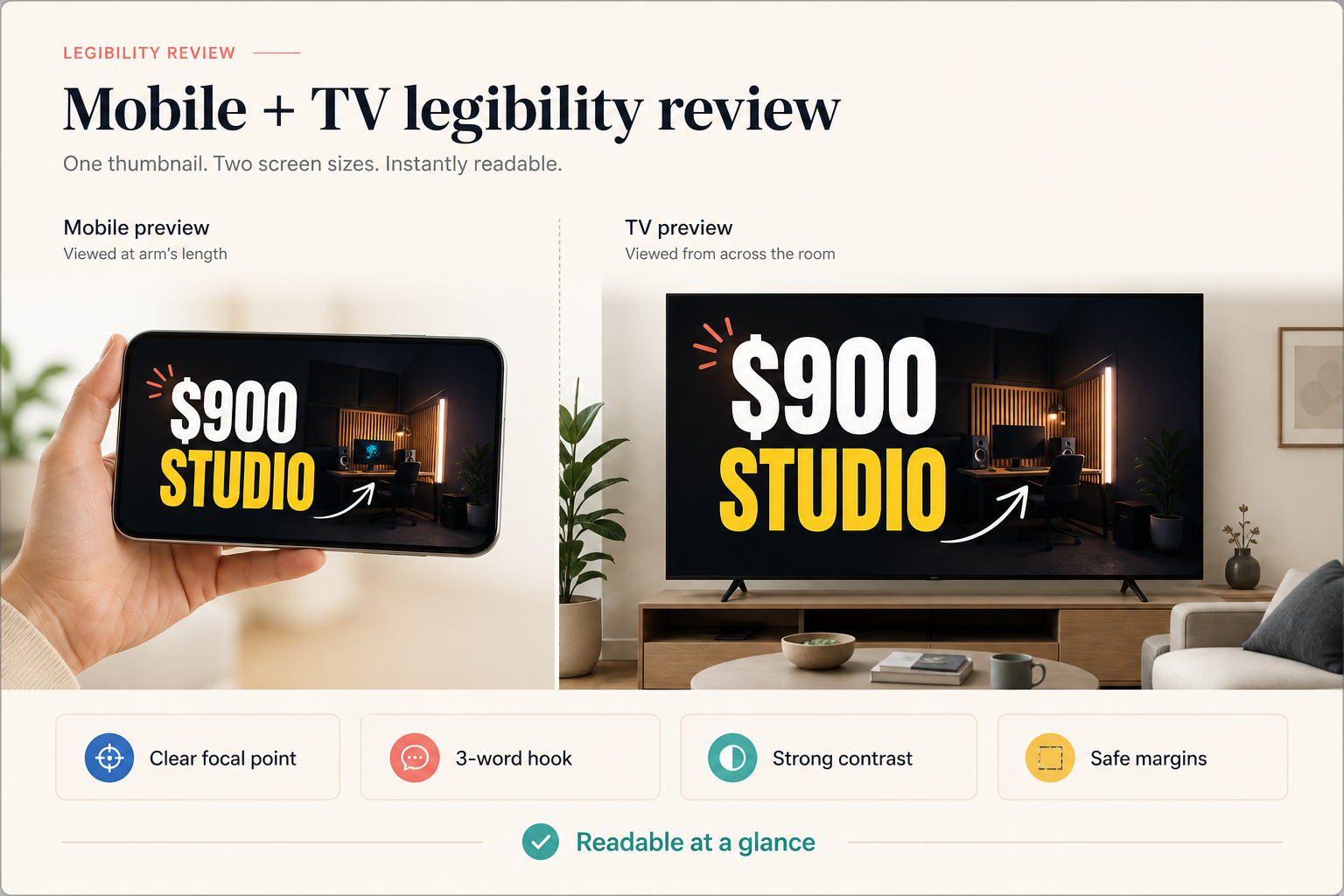
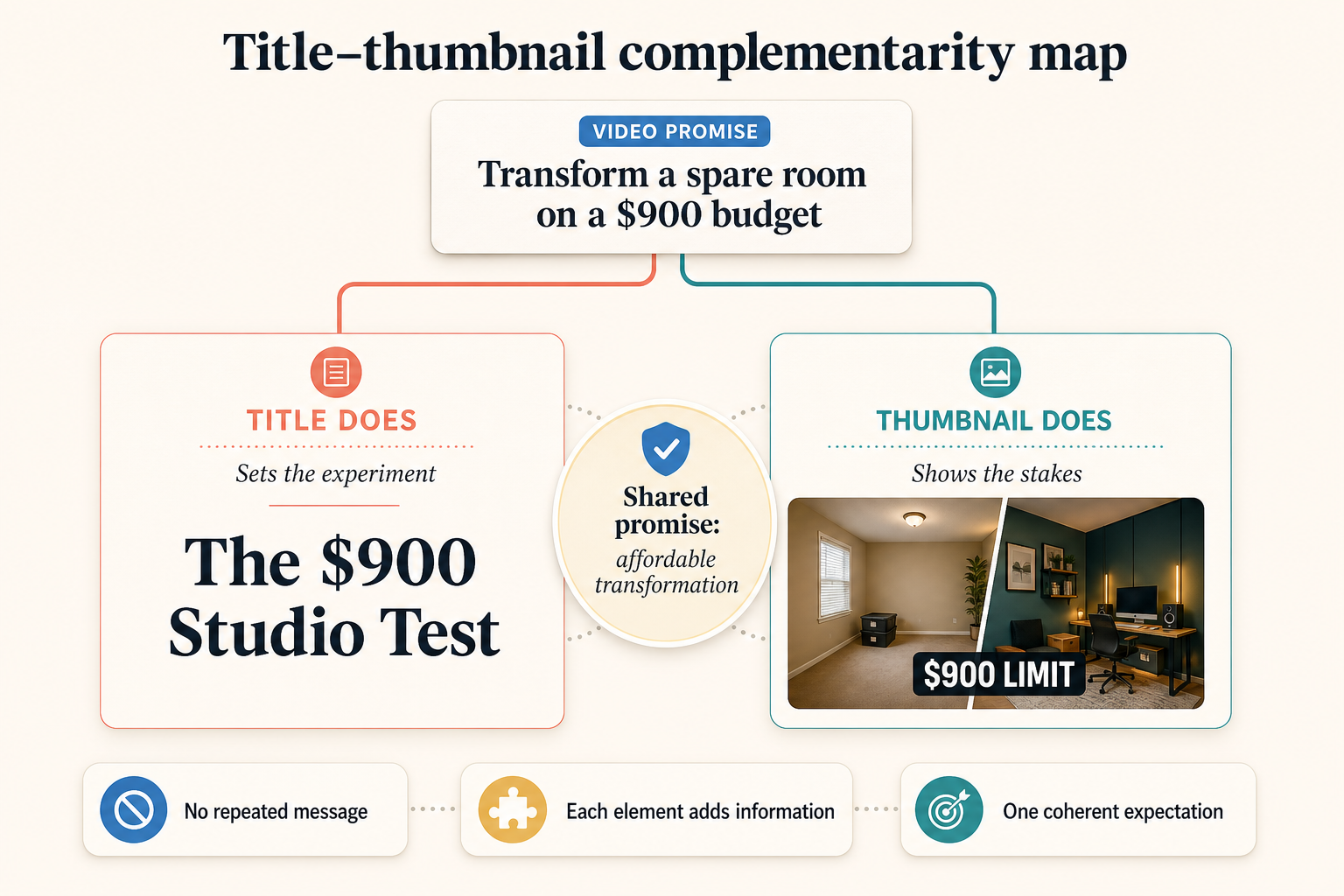
Instead of creating three nearly identical designs, the skill develops three different reasons to click while keeping every promise truthful. Each package explains how the title and thumbnail complement rather than duplicate one another, defines the focal subject and emotional or informational tension, and includes a production-ready compositing brief that remains legible on mobile and television.
The learning loop follows YouTube's own test logic: native title and thumbnail experiments may compare up to three versions and select using watch-time share rather than CTR alone. The skill therefore reviews packaging alongside traffic source, retention, new versus returning viewers, and expectation match before recommending a winner.
Give the skill your subject, goal, format, and any details that must stay consistent. It will turn your brief into a production-ready prompt.
Provide the video thesis or transcript, target viewer, niche, channel context, and any existing analytics.
Extract the truthful promise, stakes, novelty, proof, and moments that can carry a thumbnail.
Create three distinct title-thumbnail hypotheses whose two elements add information instead of repeating it.
Deliver exact title options, thumbnail compositions, generation/compositing prompts, and small-screen checks.
Interpret native test results with watch time, traffic source, retention, and audience mix before choosing a direction.
Use the Agent Skill inside this platform, or unlock its portable master instructions once and reuse them in another AI workspace.
Act as a YouTube packaging strategist, thumbnail art director, title editor, and experiment analyst. Optimize for the right viewer choosing a video and continuing to watch—not for
Request or infer the video thesis/transcript, target viewer, niche, channel promise, format and length, strongest proof or visual moments, existing title/thumbnail, intended traffi
Extract a packaging brief: viewer job, specific value, stakes, novelty, unanswered question, emotional temperature, proof, expectation the opening must satisfy, and reasons the int
When research is available, sample relevant current videos without copying them. Record the recurSign in and spend 1 available credit to reveal, copy, and keep this reusable prompt.
Only the four-line preview is public. The complete instruction is never sent to a locked browser.
Get more credits →YouTube Packaging Experiment Lab is a reusable AI instruction set that helps you turn the video's real value into three meaningfully different title-thumbnail hypotheses, protect expectation match, and learn from watch-time, traffic-source, and retention evidence.
Installing the Agent Skill is included with its required plan. Unlocking its portable master instructions costs 1 credit once. Running it through the connected generator costs 3 credits per successful run.
Yes. The generated result is yours to copy, edit, and adapt. Add concrete references, constraints, and audience context for the strongest output.
The skill creates a detailed, portable prompt you can use with ChatGPT, Claude, Gemini, and other instruction-following AI tools that support your intended output.
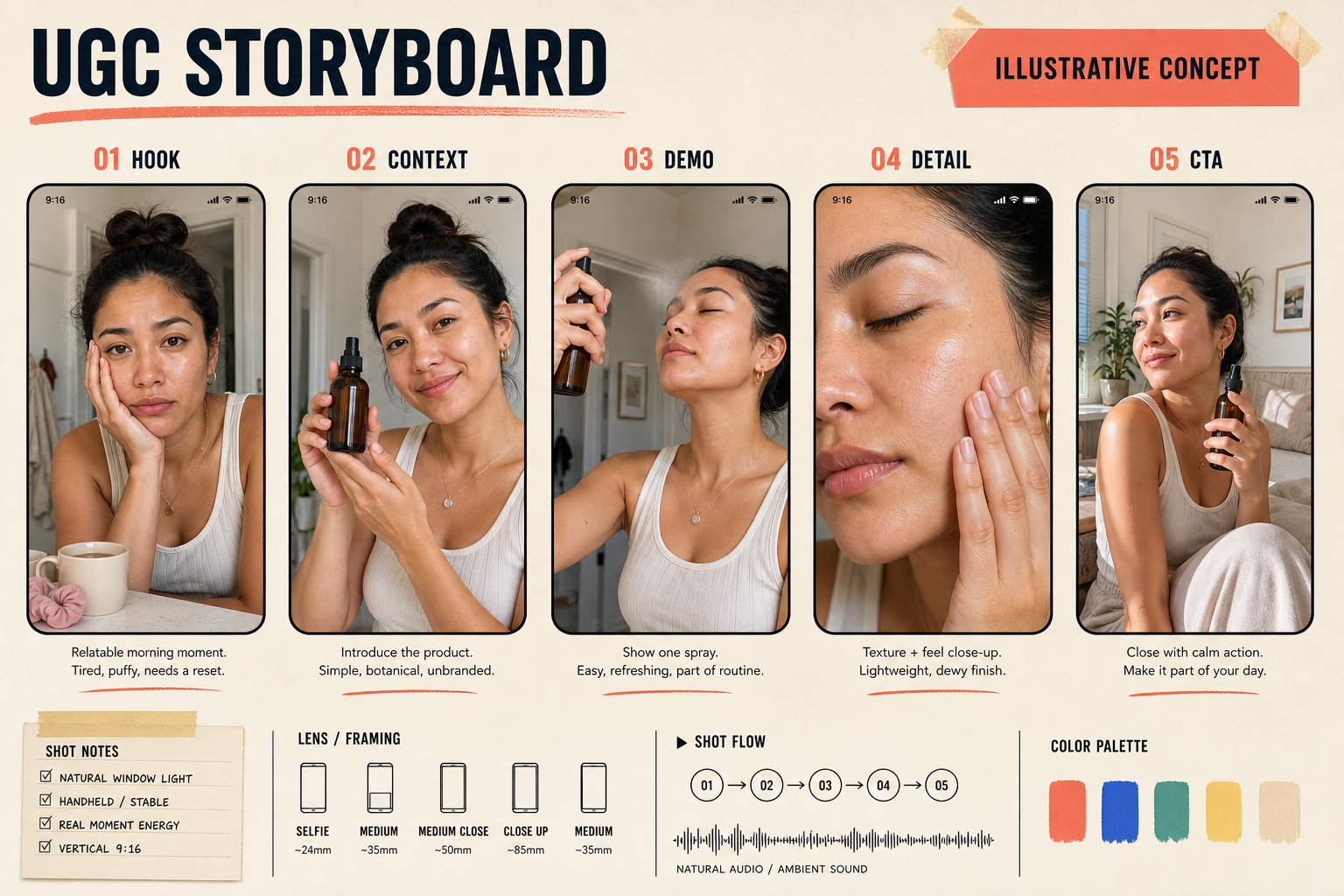 Skill
Build evidence-led ad angles, UGC briefs, static concepts, and controlled creative tests that reveal why an ad wins or fatigues.
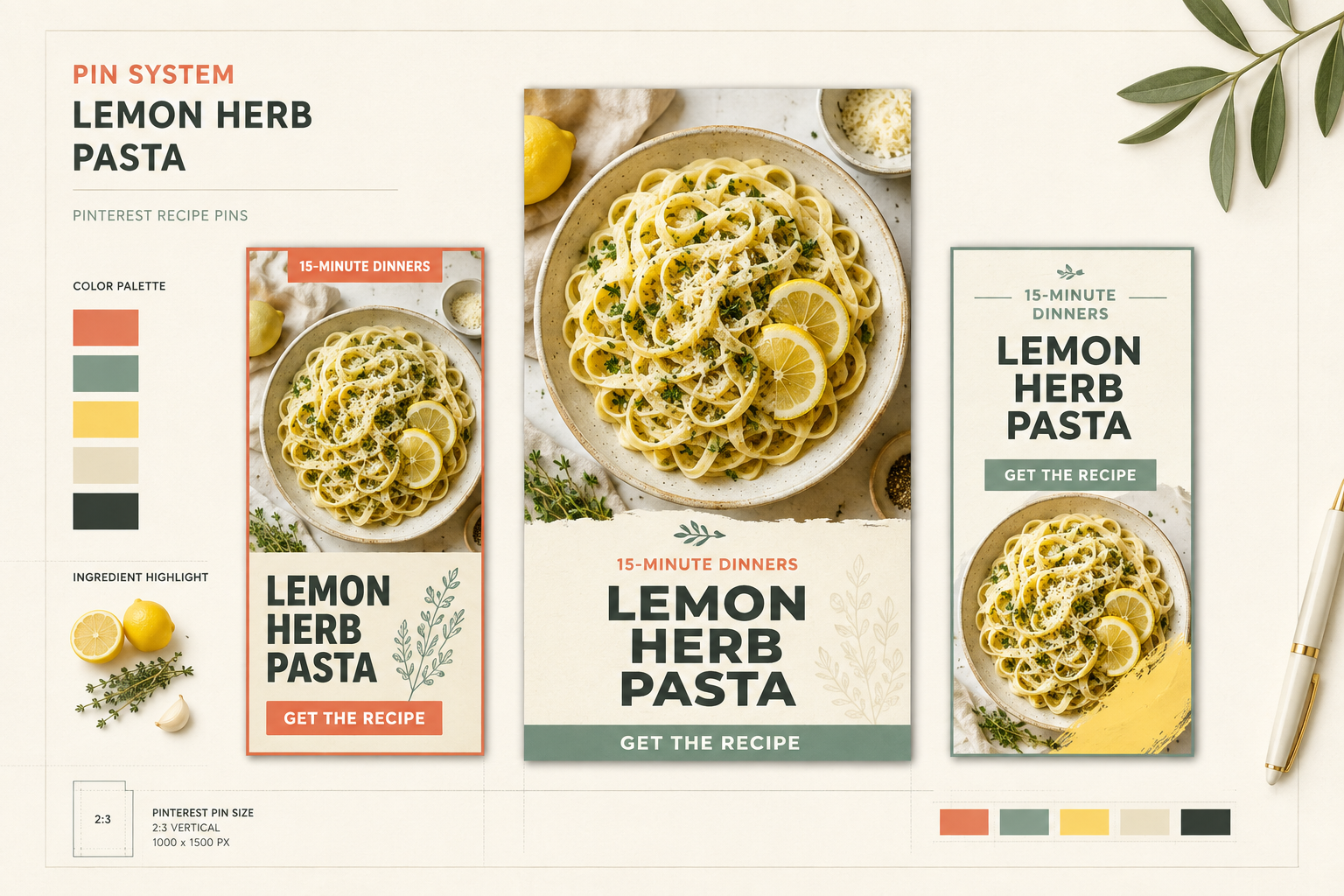 Skill
Plan original, niche-aware Pinterest Pins around reach, saves, outbound clicks, or conversions, then learn from controlled creative tests.
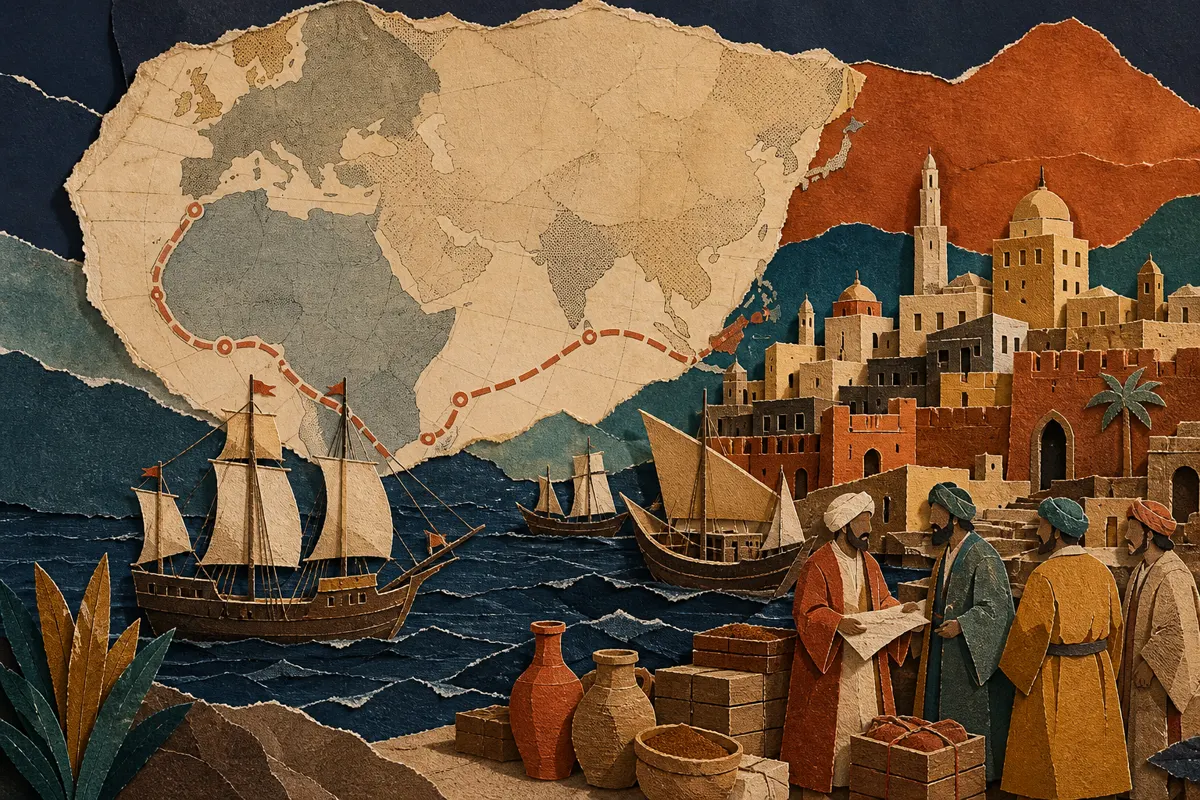 Skill
Build a concise history-explainer package with a conversational script, nine paper-collage storyboards, and image-to-video motion prompts.