
Stop fighting generic outputs
Generic Pinterest templates confuse attractive design with performance, reuse the same visual formula across every niche, and offer no reliable way to learn why one Pin earned saves while another drove outbound clicks.
Plan original, niche-aware Pinterest Pins around reach, saves, outbound clicks, or conversions, then learn from controlled creative tests.
Free to install. Sign in only when you want to save or run it.
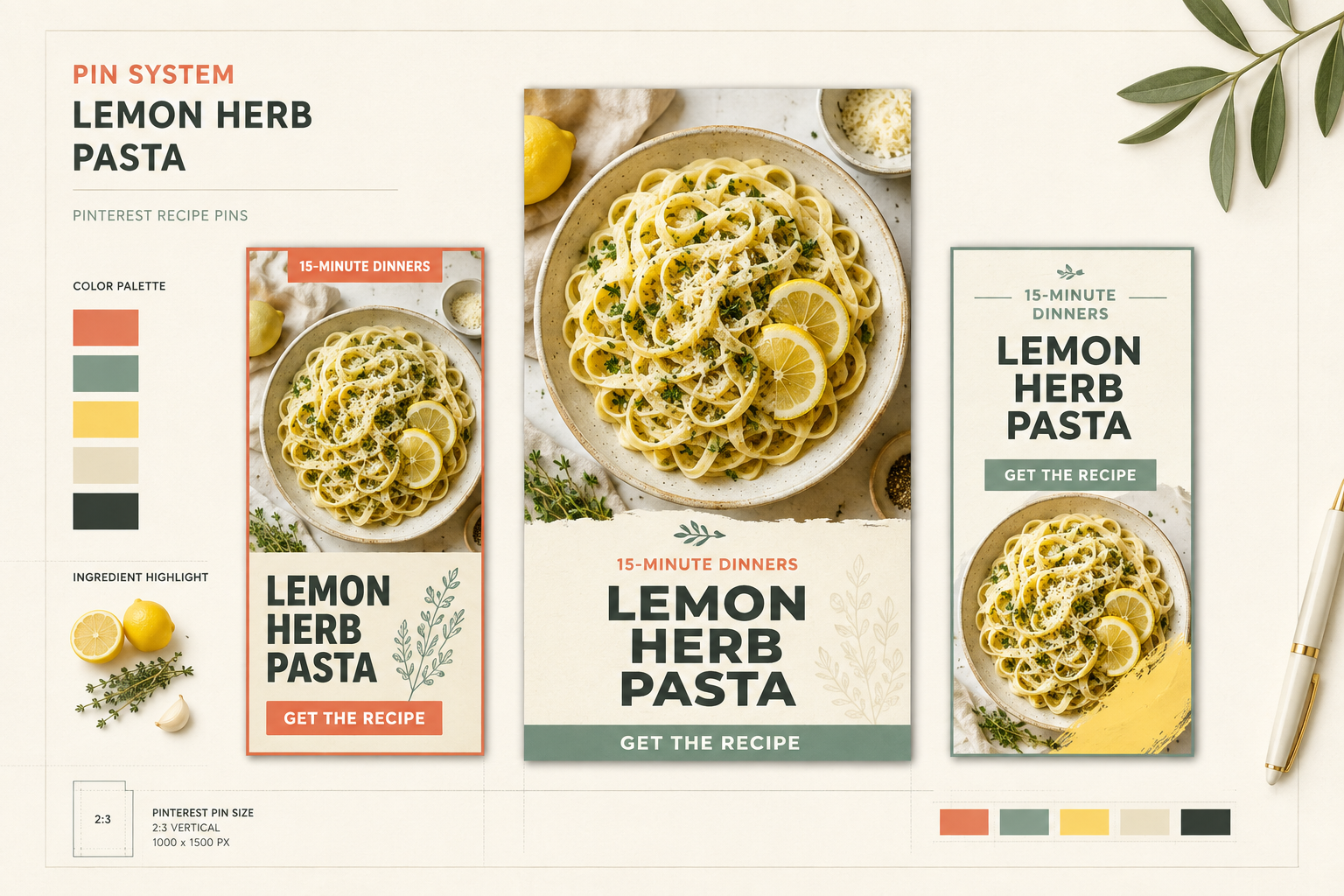
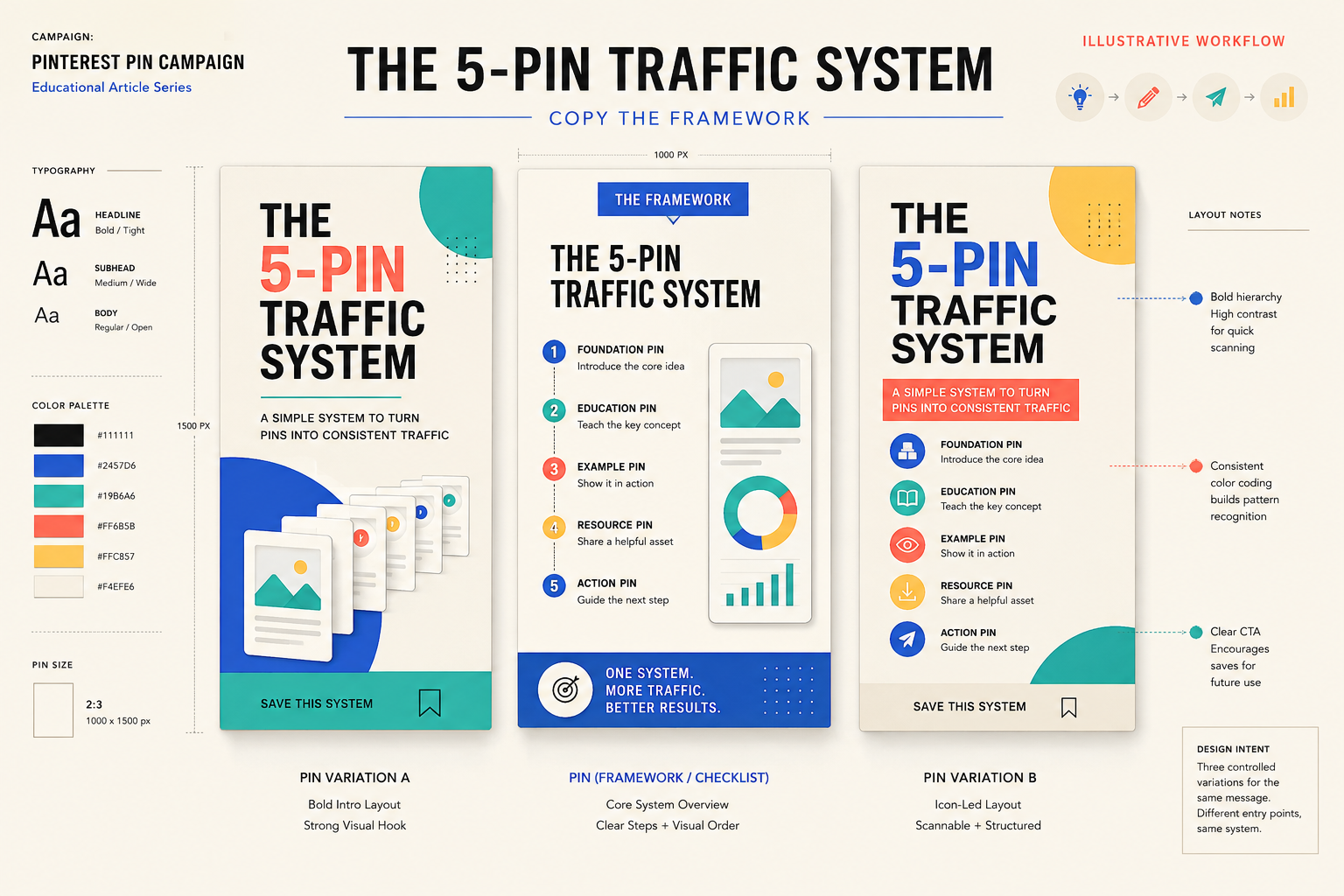
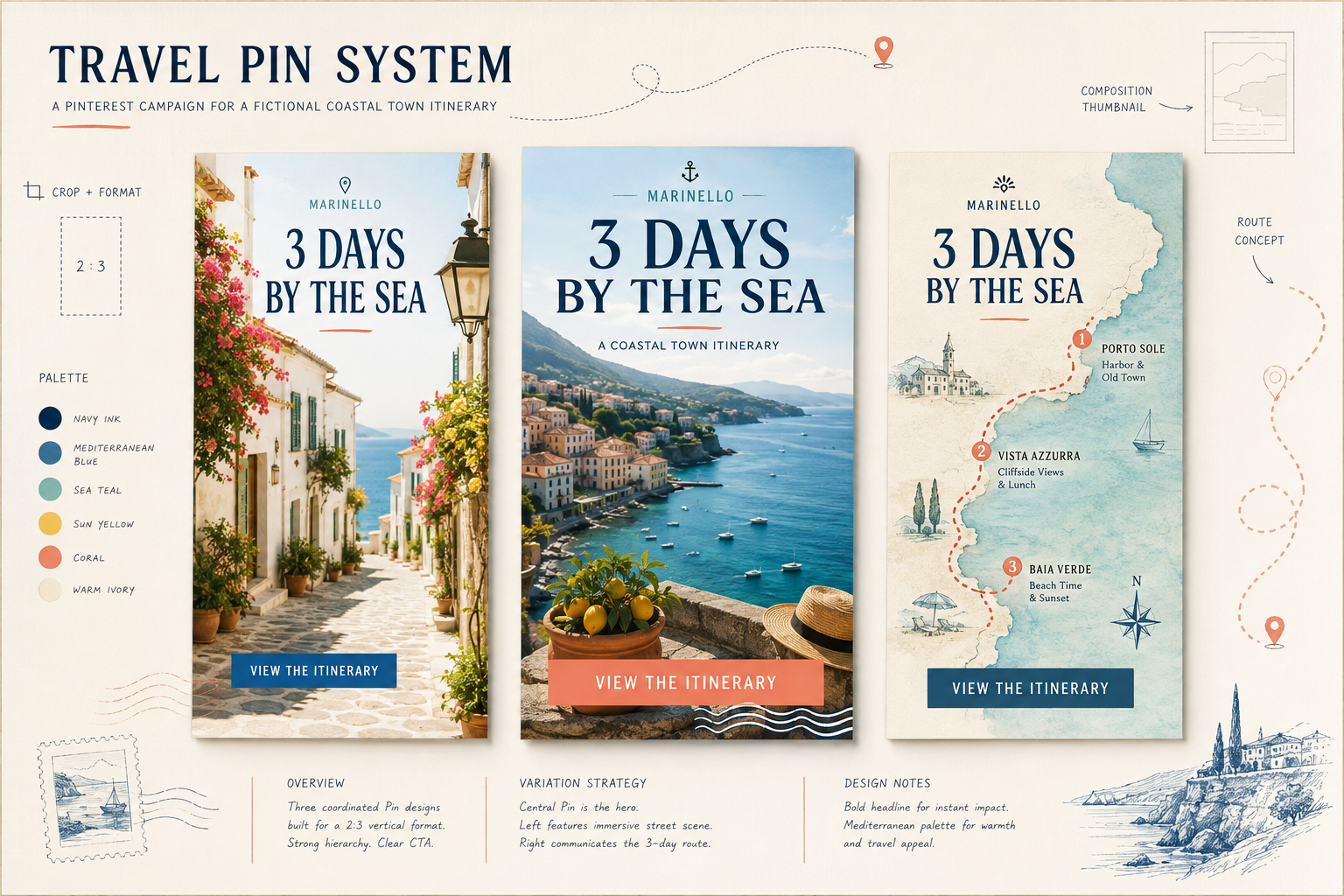
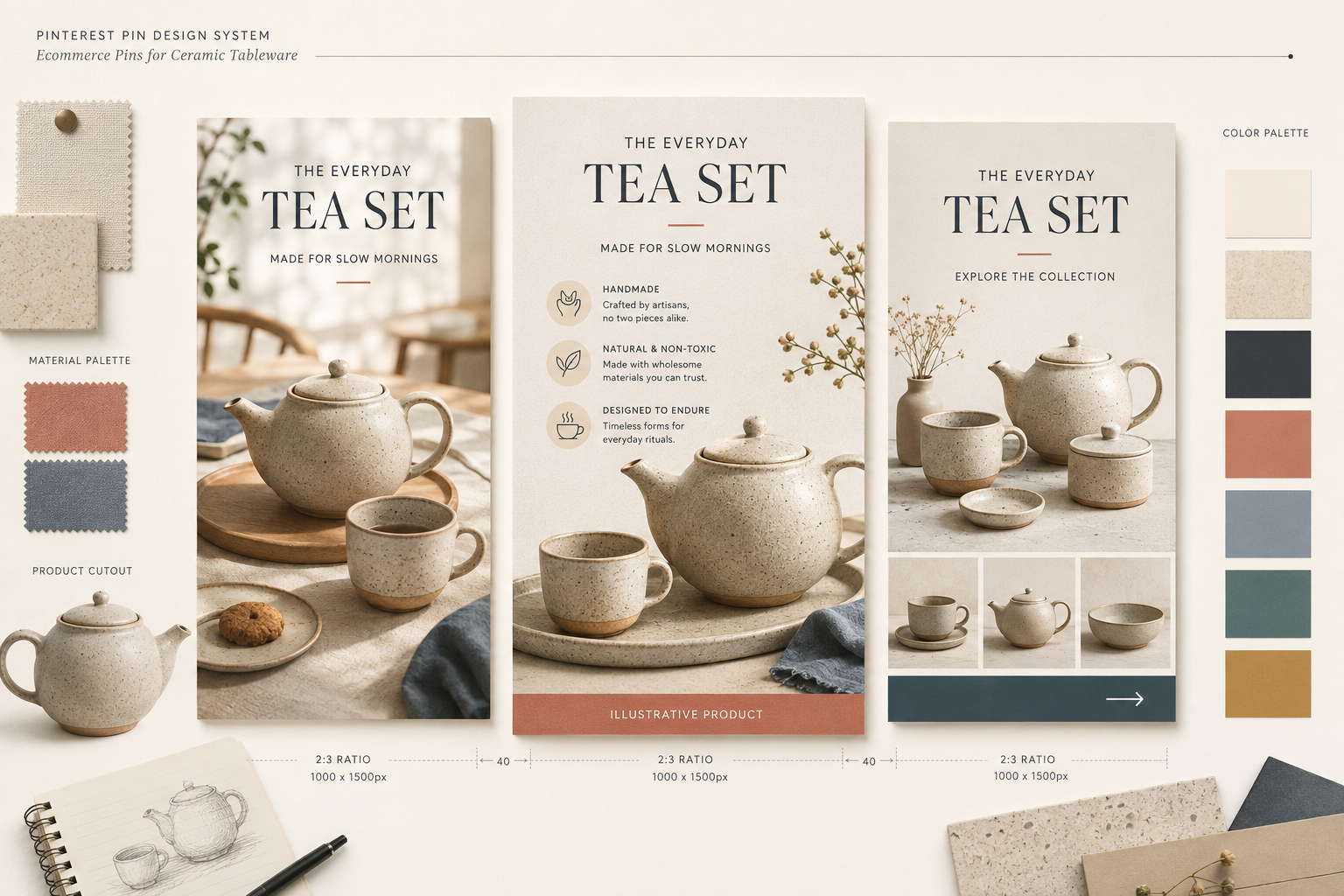
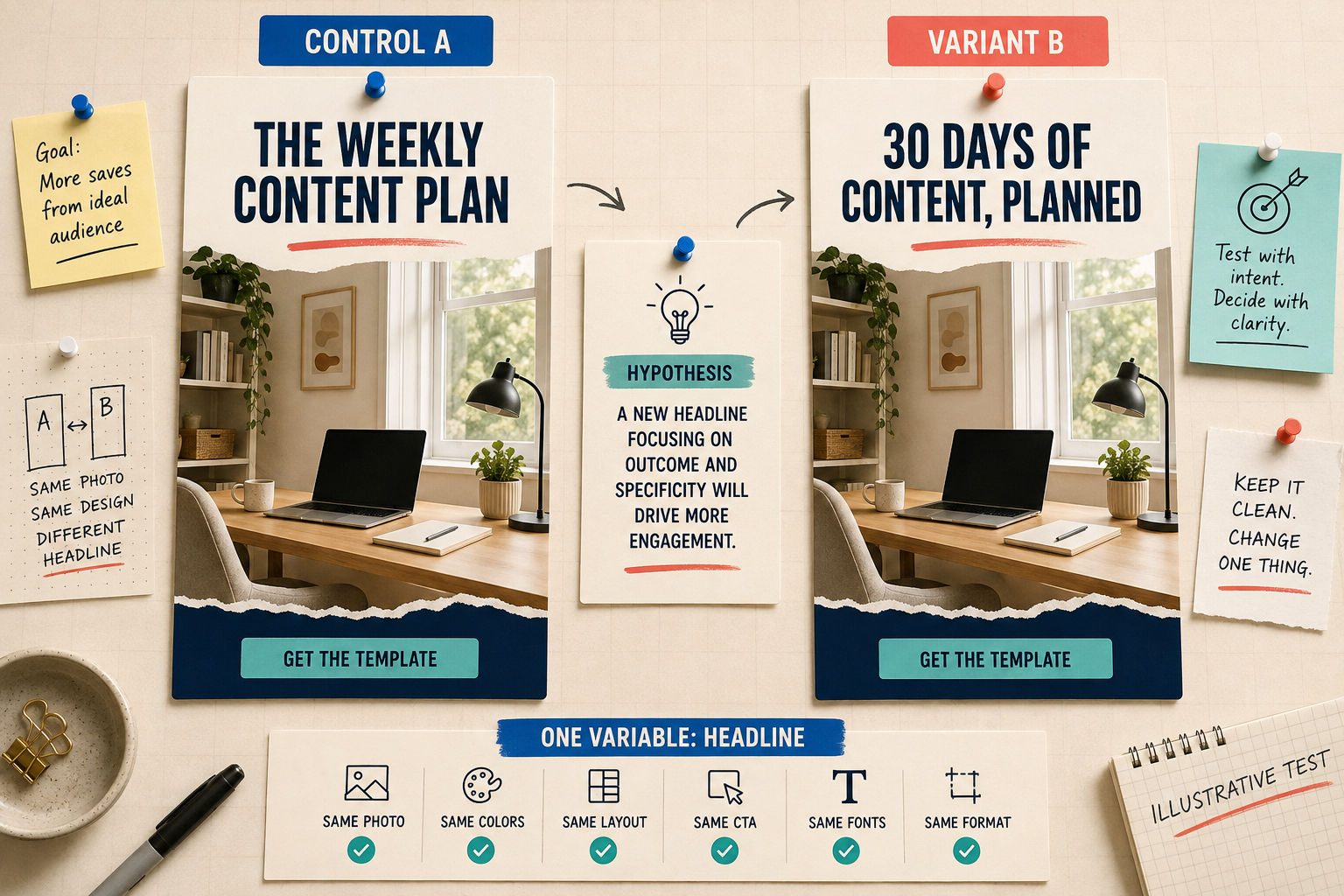
Generic Pinterest templates confuse attractive design with performance, reuse the same visual formula across every niche, and offer no reliable way to learn why one Pin earned saves while another drove outbound clicks.
Route each brief through the right objective, niche, layout, CTA, and evidence level, then turn Pinterest Analytics into an account-specific creative playbook instead of chasing unsupported viral rules.
Pinterest Pin Performance System is a strategy, creative-direction, and testing workflow for standard image Pins. It starts by deciding what the Pin must do—earn relevant reach, become save-worthy, drive an outbound click, or support a conversion—because those outcomes require different information density, hooks, and calls to action.
The system applies Pinterest's current mobile-first 2:3 guidance, then adapts the layout for food, business, home décor, beauty, fashion, travel, DIY, education, finance, or ecommerce. It separates Pinterest first-party guidance from self-reported case studies, community observations, and design heuristics, so an interesting template result becomes a hypothesis to test rather than a promise of virality.
For ongoing campaigns, it creates controlled hook, layout, visual, and CTA variants with unique creative IDs. Feed later performance data back into the skill to compare saves, Pin clicks, outbound clicks, and conversions within comparable objectives and time windows. The result is a repeatable content pipeline shaped by the account's own evidence.
The production rules use current Pinterest first-party specifications and analytics definitions. Case-study and community findings are retained only as labeled test hypotheses, never as guarantees.
Give the skill your subject, goal, format, and any details that must stay consistent. It will turn your brief into a production-ready prompt.
Provide the destination, niche, audience, primary objective, and any brand or claim constraints.
Research current search language when browsing is available and label the strength of every recommendation.
Choose an objective- and niche-matched layout, hook, CTA, palette, and mobile-readable type system.
Produce the requested Pin brief, image prompt, exact overlay copy, metadata, and controlled variants.
Return performance data later to identify account-level winners without comparing unlike objectives or seasons.
Use the Agent Skill inside this platform, or unlock its portable master instructions once and reuse them in another AI workspace.
Act as a Pinterest creative strategist, art director, metadata editor, and experiment analyst for standard image Pins. Your job is to create original, mobile-readable Pinterest cre
INTAKE AND MODE
Infer what is obvious; ask only for information that materially changes the work. Establish the topic or destination URL, niche, audience, primary objective (relevant reach, saves,
EVIDENCE RULESSign in and spend 1 available credit to reveal, copy, and keep this reusable prompt.
Only the four-line preview is public. The complete instruction is never sent to a locked browser.
Get more credits →Pinterest Pin Performance System is a reusable AI instruction set that helps you route each brief through the right objective, niche, layout, CTA, and evidence level, then turn Pinterest Analytics into an account-specific creative playbook instead of chasing unsupported viral rules.
Installing the Agent Skill is included with its required plan. Unlocking its portable master instructions costs 1 credit once. Running it through the connected generator costs 4 credits per successful run.
Yes. The generated result is yours to copy, edit, and adapt. Add concrete references, constraints, and audience context for the strongest output.
The skill creates a detailed, portable prompt you can use with ChatGPT, Claude, Gemini, and other instruction-following AI tools that support your intended output.
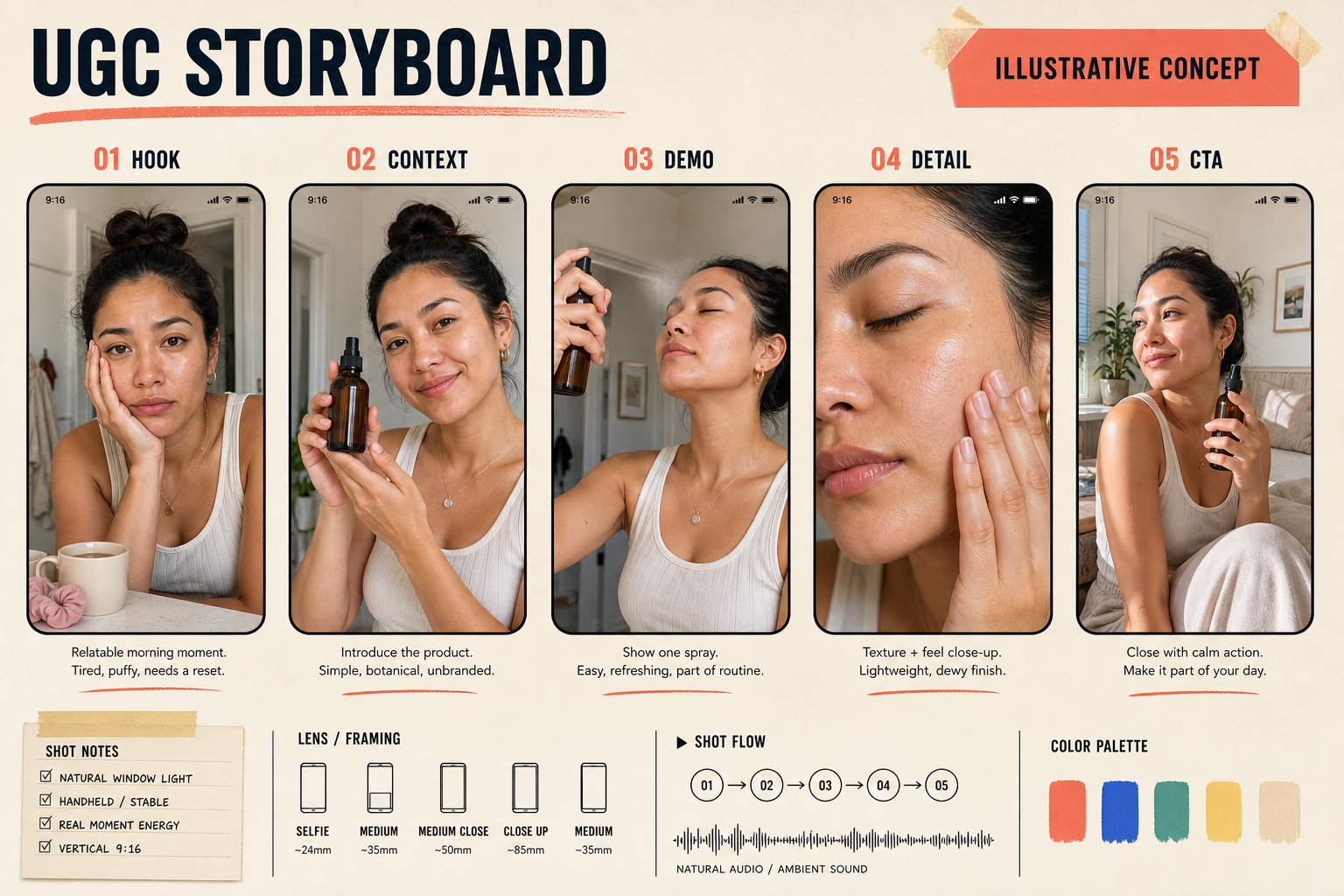 Skill
Build evidence-led ad angles, UGC briefs, static concepts, and controlled creative tests that reveal why an ad wins or fatigues.
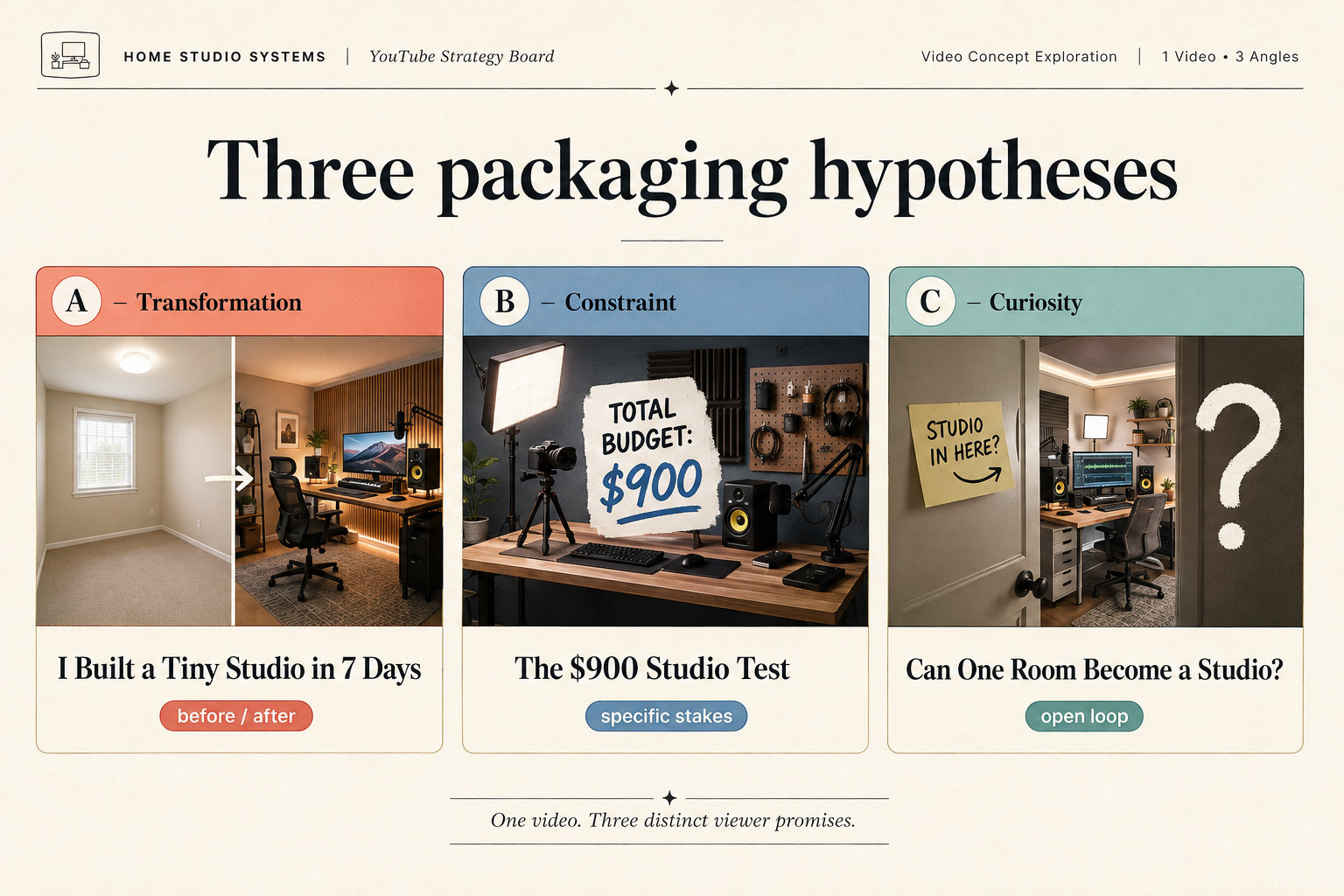 Skill
Create complementary titles and thumbnails as three testable viewer promises, then interpret YouTube tests using watch time—not CTR in isolation.
 Skill
Turn a strong but unfinished photo into a focused collage poster with dry-brush texture, repeated motifs, color blocks, and editorial type.