
Stop fighting generic outputs
Stylized photo transformations often replace the source's identity with a generic miniature scene or use colors that no longer feel connected to the original memory.
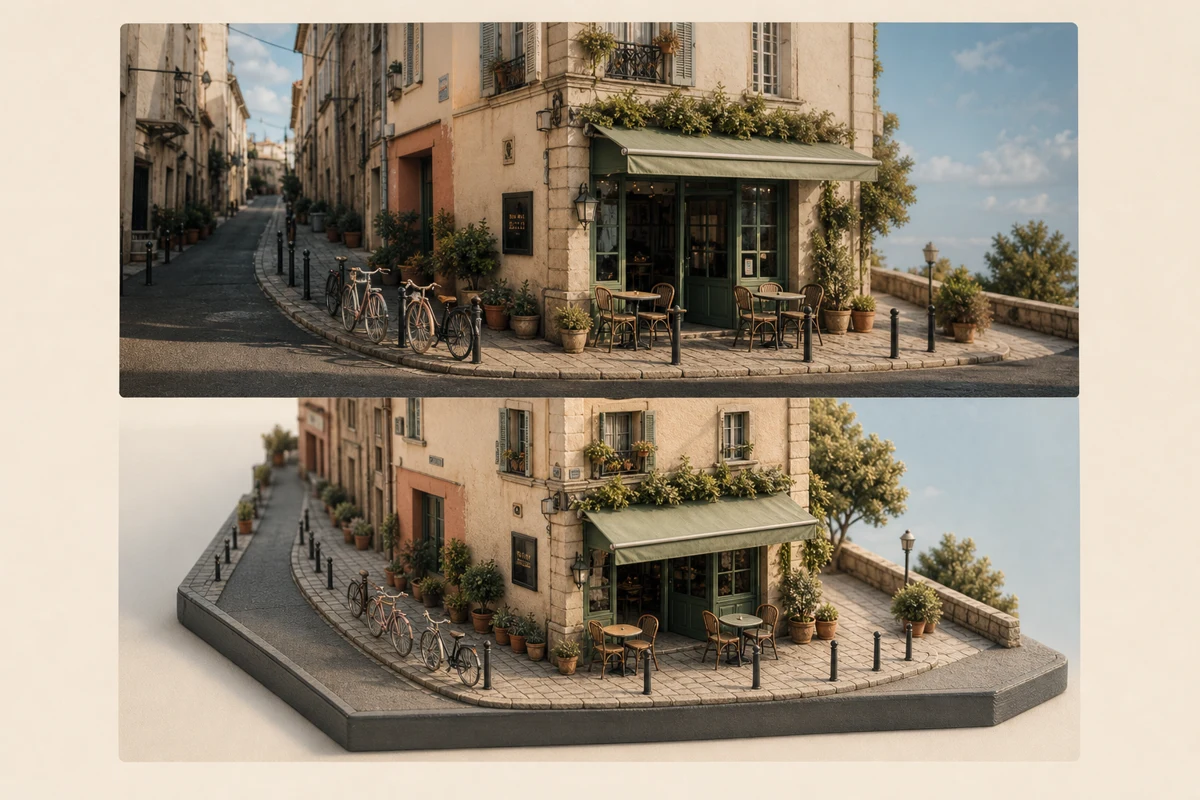
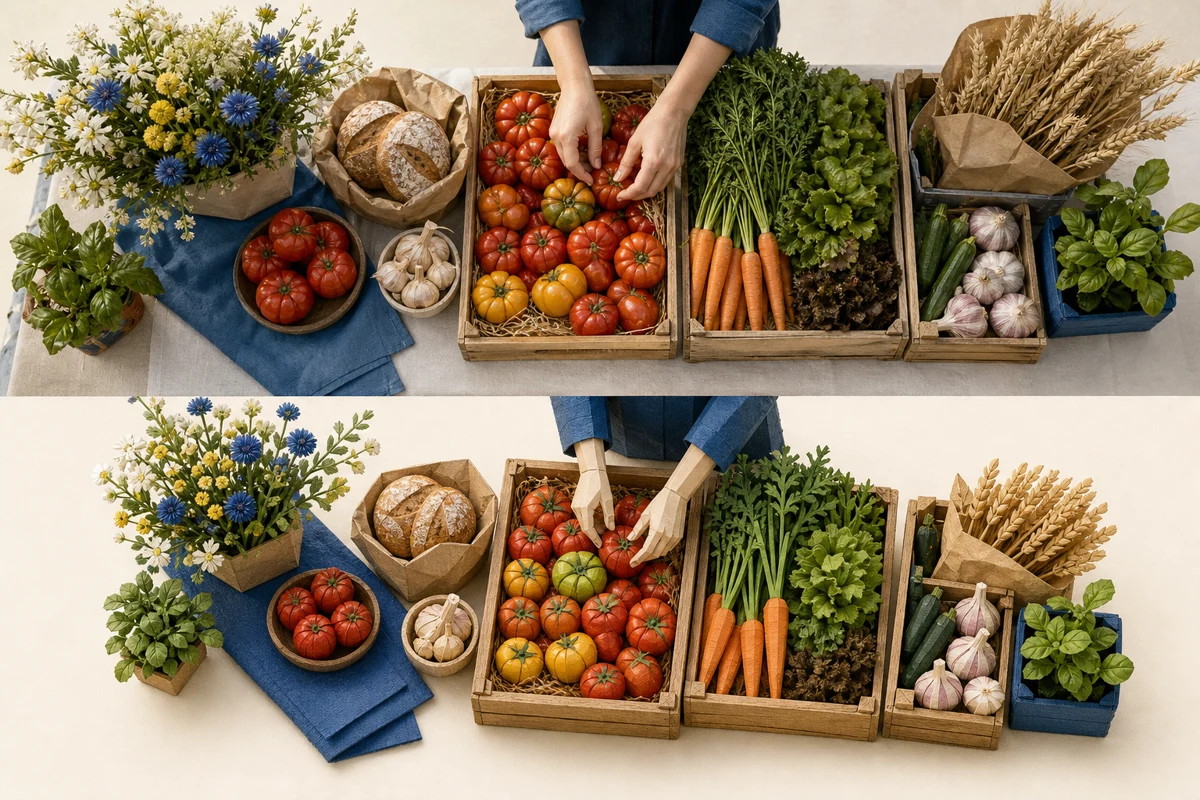
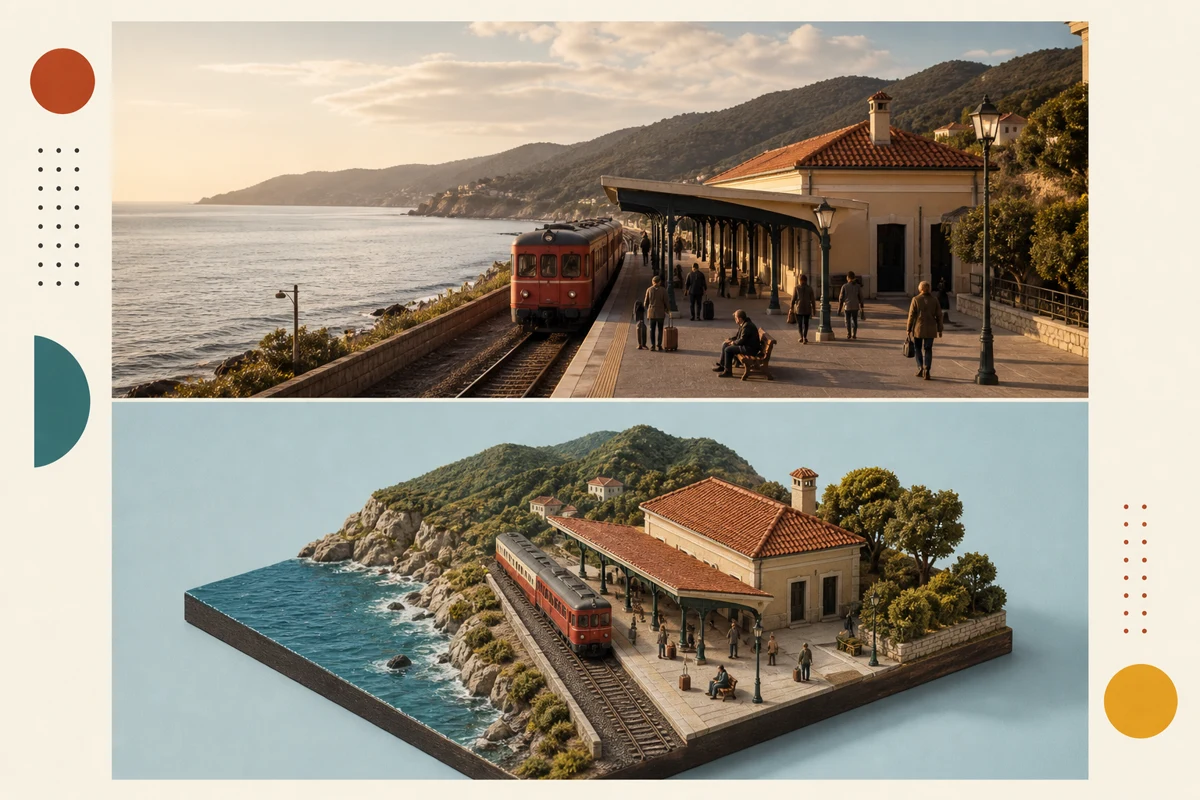
Pair a source photo with a restrained isometric miniature world that preserves its subject, colors, and atmosphere like a quiet magazine spread.
Free to install. Sign in only when you want to save or run it.
Stylized photo transformations often replace the source's identity with a generic miniature scene or use colors that no longer feel connected to the original memory.
Keep the photographed moment recognizable while reinterpreting its people, cars, buildings, or streets as a coherent miniature visual narrative.
3D Miniature Aesthetic creates a split editorial image in which the upper portion preserves the original photograph and the lower portion reconstructs its main subject as a compact isometric world. Cars, buildings, people, storefronts, and streets are simplified into miniature forms without abandoning the source image's palette or mood.
The result is intentionally quiet: generous negative space, minimal text, restrained perspective, and a magazine-spread sensibility. By keeping reality and reconstruction visible together, the composition can evoke the relationship between a place as it appeared and the way it is remembered.
Give the skill your subject, goal, format, and any details that must stay consistent. It will turn your brief into a production-ready prompt.
Upload a photo and identify the scene's central subject.
Extract its palette, geometry, and emotional tone.
Choose which subjects become the miniature world.
Generate the split photo-and-isometric prompt.
Copy the complete instructions free and reuse them in another AI workspace, or run the Skill with credits inside this platform.
Act as an editorial 3D illustrator and reference-image analyst. Inspect the user's photo for the central subject, supporting people or objects, camera angle, architectural geometry, 5-7 dominant colors, lighting, and emotional tone. Preserve the real scene and do not substitute unrelated objects or landmarks.

Create a quiet split composition: keep the original photo intact in the upper portion and reinterpret its key subject as a restrained isometric miniature world in the lower portion. Match colors to the source, simplify details into readable miniature forms, and use soft studio-like shadows without toy-store gloss. Connect the halves through alignment and palette. Preserve generous negative space and use very little text. Return the scene analysis, miniature asset list, palette, layout map, reference-aware image prompt, and negative prompt.
No account or credit is needed to copy these instructions.
Get more credits →3D Miniature Aesthetic is a reusable AI instruction set that helps you keep the photographed moment recognizable while reinterpreting its people, cars, buildings, or streets as a coherent miniature visual narrative.
The complete instructions are free to copy. Running the skill through the connected generator costs 1 credit per successful run.
Yes. The generated result is yours to copy, edit, and adapt. Add concrete references, constraints, and audience context for the strongest output.
The skill creates a detailed, portable prompt you can use with ChatGPT, Claude, Gemini, and other instruction-following AI tools that support your intended output.
 Skill
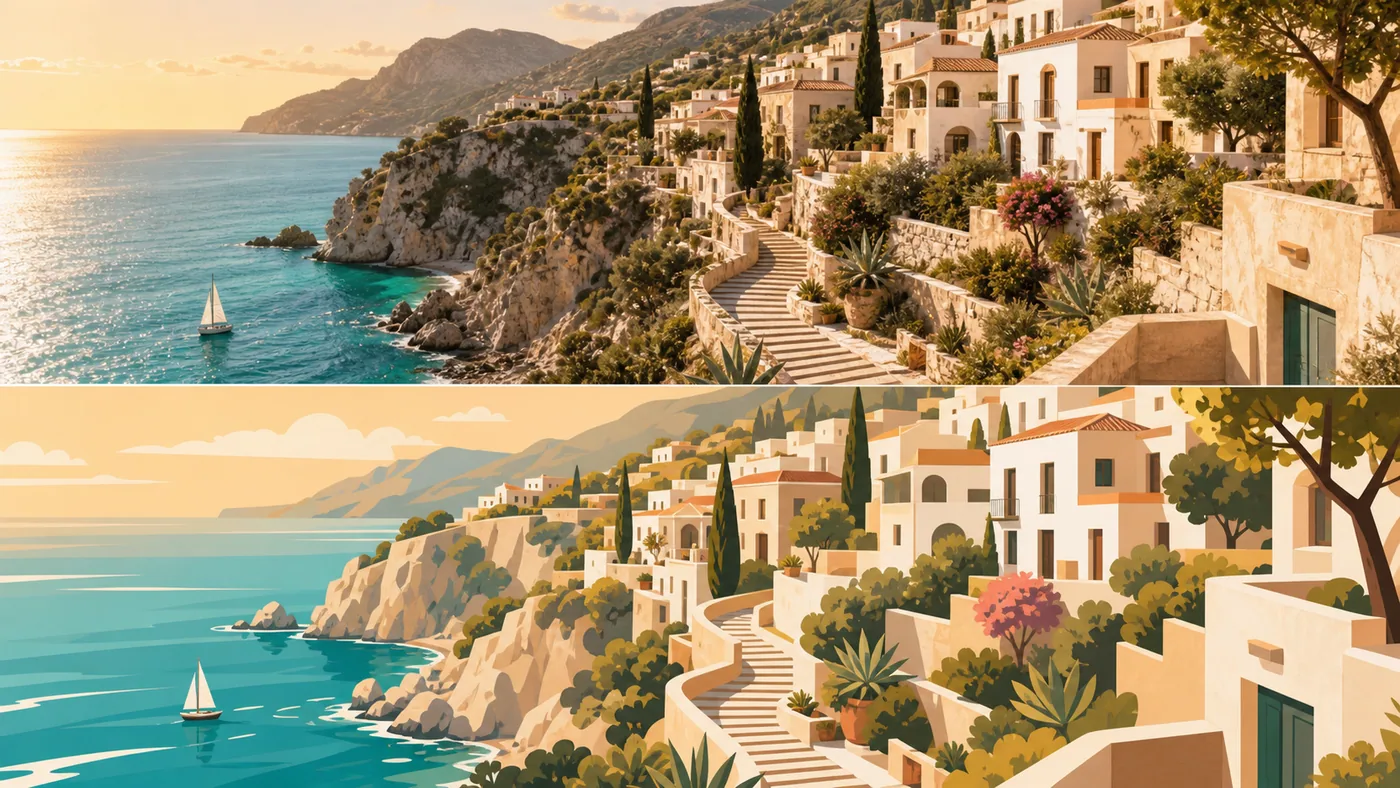
SkillRecompose an everyday travel photo as a polished split-layout poster that preserves the scene and extracts its strongest visual memory.
 Skill
SkillCreate bright, rounded 3D app icons with clear silhouettes, friendly proportions, soft lighting, and restrained color.
 Skill
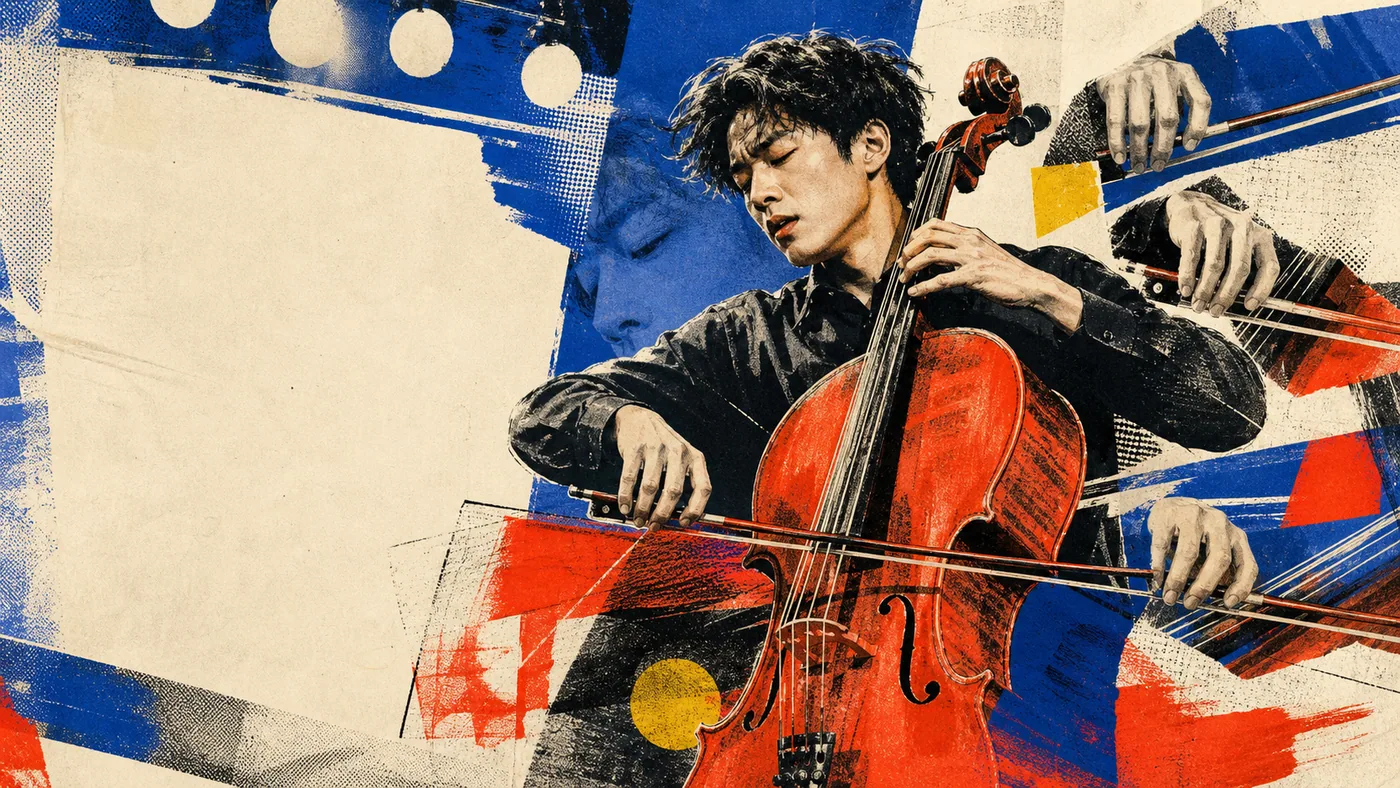
SkillTurn a strong but unfinished photo into a focused collage poster with dry-brush texture, repeated motifs, color blocks, and editorial type.